

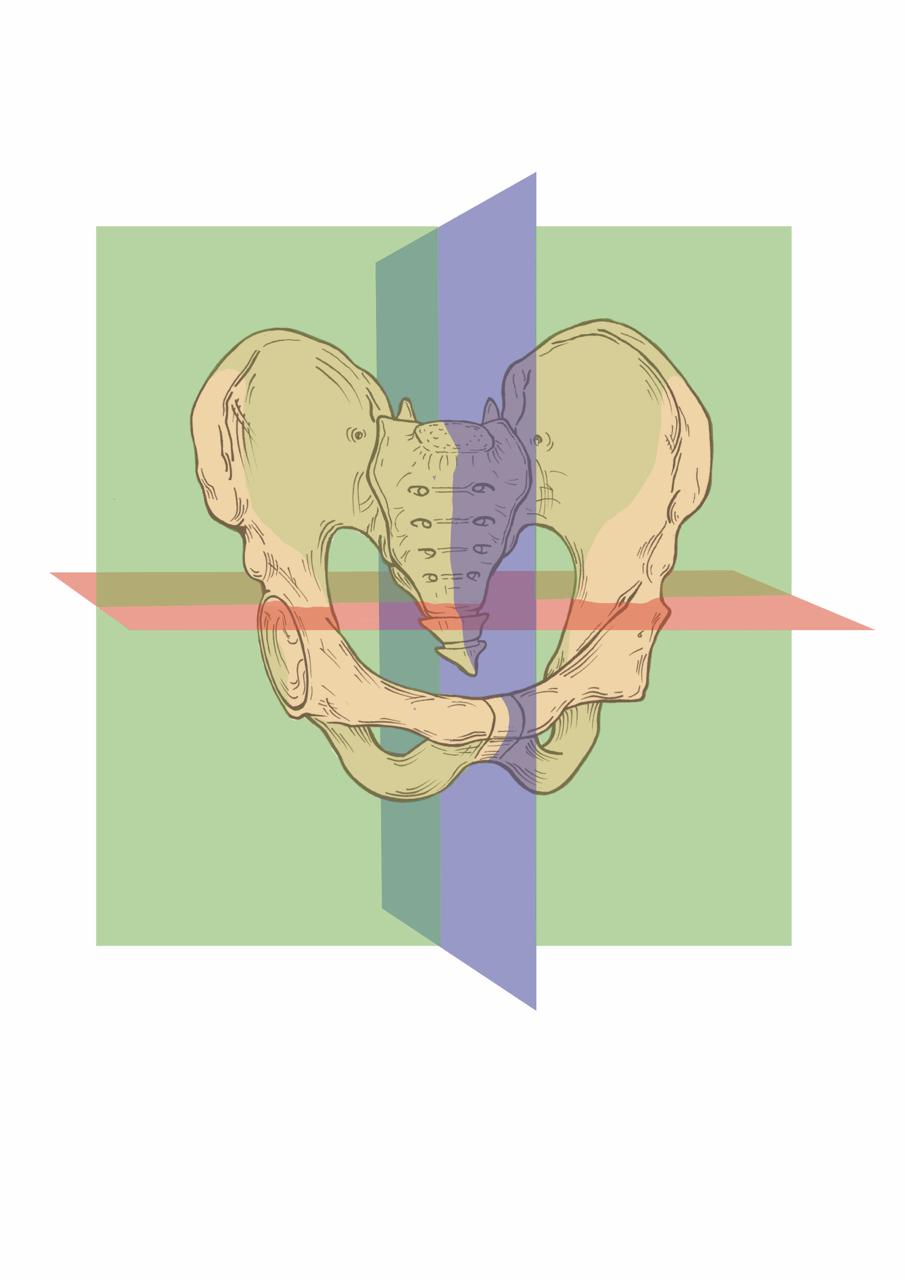
The Pelvis: The Center of the Pitching Universe
When we talk about pitching mechanics, a lot of emphasis is traditionally placed on the arm, shoulder, and elbow. However, one crucial aspect that often doesn't get the spotlight it deserves is the pelvis—yes, the pelvis. Understanding and mastering pelvic stability in all three planes of motion is not just beneficial but critical for both performance enhancement and arm health in pitching. Let's dive into why the pelvis truly is the center of the pitching universe.
The Role of the Pelvis in Pitching 
The pelvis is a complex structure that serves as the foundation for your upper body. It's here that the lower limbs attach and where much of the force generated during a pitch begins before traveling up the kinetic chain. This bowl-shaped structure consists of several bones https://freedomonlinecoalition.com/ including the ilium, ischium, and pubis, which together create a sturdy base crucial for any movement, especially pitching.
The Kinetic Chain: Starting with Stability
Pitching begins as a relatively low-intensity movement that primarily involves the lower body. This action might seem modest at first, but as the pitch progresses into a high-intensity delivery, it rapidly incorporates the abdominals, shoulders, and elbows. The transition from the lower to upper body dominance begins at the pivotal point of the pelvis.
This is where things get interesting: the precise positioning and stability of the pelvis are paramount because it serves as the foundational platform from which energy is launched up the kinetic chain. Managing pelvic motion across the frontal (side to side movement), sagittal (forward and backward movement), and transverse (rotational movement) planes is indispensable for maintaining stability and optimizing motion during the pitching sequence.
Why Controlling the Pelvis is Crucial
The control of pelvic motion isn't just about managing movements in one plane; it's about understanding the interconnected relationship where actions in one plane affect movements in another. This dynamic synergy allows for the smooth transmission of energy throughout the body, enabling a pitcher to execute movements with both stability and efficiency.
Example from the Field
In 2019, we utilized a groundbreaking device equipped with thousands of pressure sensors to capture real-time ground force data from pitchers. This technology, synchronized with high-speed video recordings, allowed us to analyze the relationship between movement factors and force generation. The findings? Ground force sensor readings and motion analysis are critical to understanding https://americannordicwalking.com/press/ how pelvic stability impacts pitching performance.
The Three Planes of Pelvic Movement
1. Frontal Plane 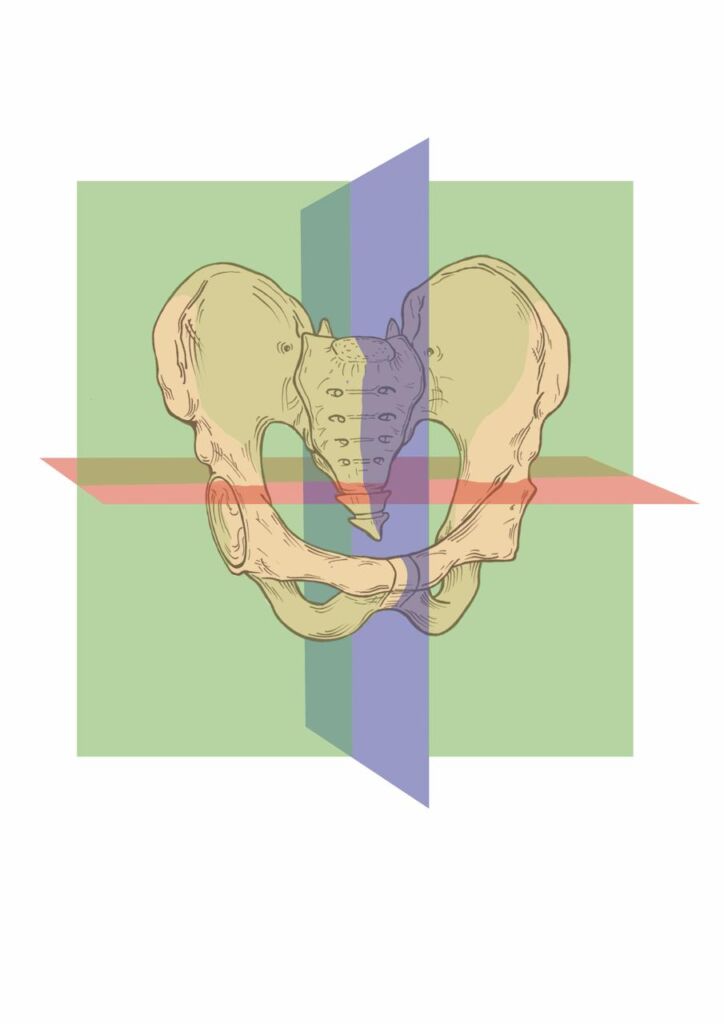
Analysis has shown that as a pitcher increases impulse, the pelvis exhibits a slight tilt with the free leg side up, and it remains parallel to the alignment of the shoulders. Decreased impulse is noted when the pelvis becomes parallel to the horizon. Maintaining this pelvic tilt over an extended period is crucial and involves engaging all muscles surrounding the back hip, including the gluteus muscles and hip flexors.
2. Sagittal Plane
In clinical terms, movement of the pelvis in the sagittal plane is often referred to as anterior and posterior tilt. Controlling this “dumping” motion of the pelvis is crucial for creating a stable platform for rotation. The rectus femoris and the hamstrings play key roles here, working together to maintain a balanced hip and knee flexion.
3. Transverse Plane
Controlling the pelvis in the transverse plane involves preventing premature forward rotation, which is essential for maintaining the timing and quality of hip movements. Each pitch presents different patterns and timings, adhering to what we know as Bernstein's principle of “repetition without repetition,” highlighting the body's ability to adapt to various pitching demands.
Practical Applications and Training Insights
Based on our findings and the application of these principles in training, here are some practical tips for pitchers aiming to enhance their pelvic stability:
– Increase Impulse: Focus not just on pushing harder off the pitching rubber but on prolonging the duration of rearward force exertion.
– Strengthen and Stabilize: Engage and strengthen the muscles surrounding the pelvis, particularly the glutes and hip flexors, to maintain optimal pelvic tilt.
– Monitor and Adjust: Utilize technologies such as pressure sensors and video analysis to continually monitor and adjust your pelvic movement during training sessions.
Building a Solid Foundation for Pitching
Understanding and optimizing pelvic stability in pitching is not just about enhancing performance; it's about building a solid foundation that promotes longevity and reduces the risk of injury. By focusing on pelvic stability across all https://www.globalseatravel.com/ three planes of motion, pitchers can ensure that their kinetic chain is functioning optimally, providing a stable platform from which to launch their energy.
At The Florida Baseball ARMory, we are committed to helping pitchers understand and master these principles, ensuring that each athlete can perform at their best, with a pitching motion that is both powerful and safe.
If you're ready to take your pitching to the next level, consider joining one of our programs, where we focus on individualized training designed to meet your unique needs.
Call us at 866-787-4533, and we’ll get you started on a plan that will rock the foundations of your athletic development and launch your career on a new trajectory of success.
About the Author:

Randy Sullivan, MPT, CSCS
CEO, Florida Baseball ARMory
Our founder and CEO, Randy Sullivan wears a bunch of hats: Physical Therapist, Baseball Instructor, Certified Strength & Conditioning Specialist, Paid Player Development Consultant to MLB teams, Public Speaker and of course an Author.