Covariation in Pitching: Leveraging the Power of Joint Coupling and Optimal Length to Maximize Performance and Mitigate Injury Risk
Randy Sullivan2024-10-31T02:22:22-04:00In the world of biomechanics and motor control, few concepts [...]


In the world of biomechanics and motor control, few concepts [...]
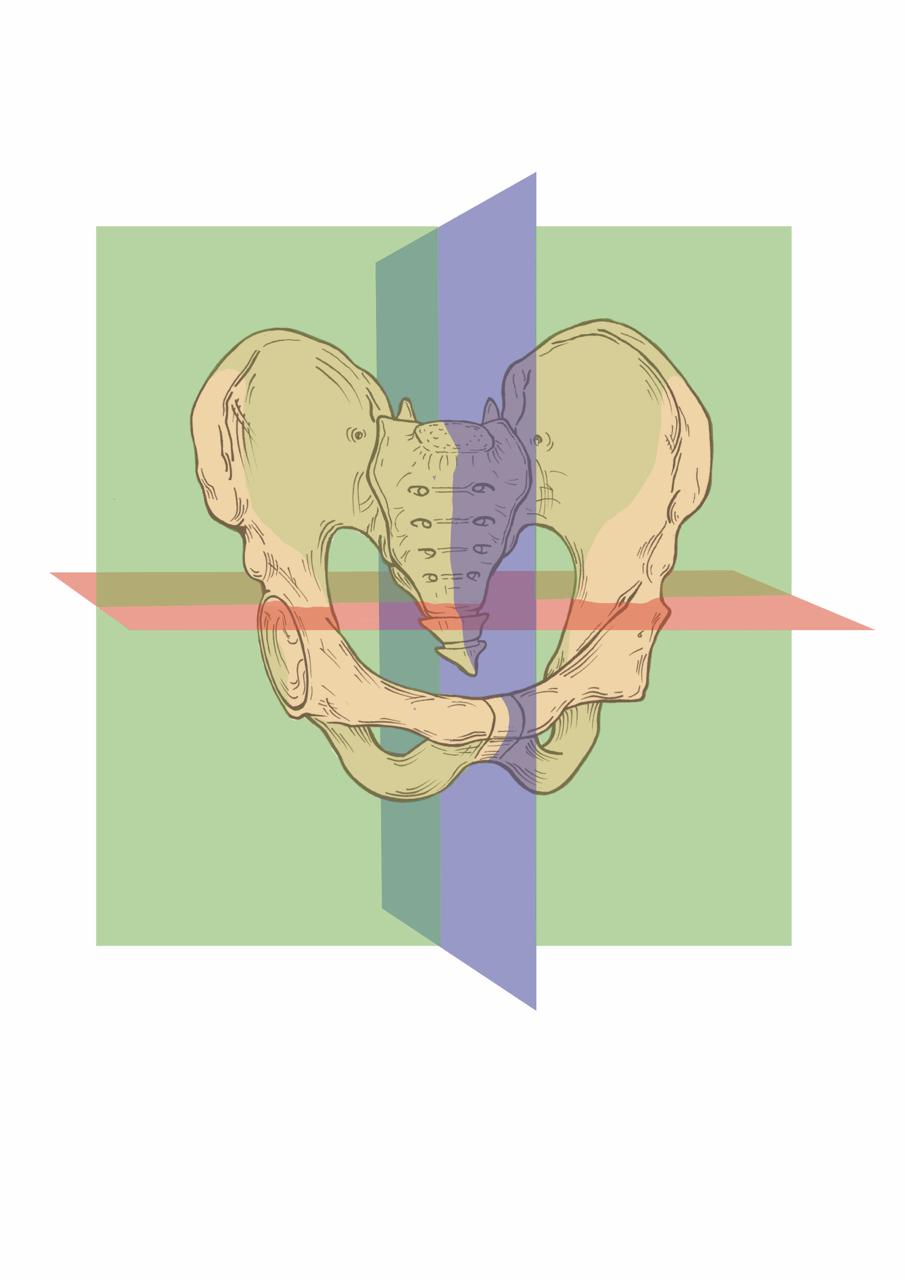
The Pelvis: The Center of the Pitching Universe When [...]
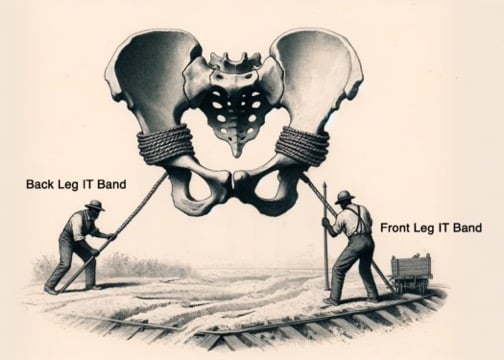
For high level performance and safety in pitching, the pelvis [...]
When I was raising my three sons, I had [...]
Let’s take a closer look at the concept of extension [...]
Vince Vannelle was no slouch. An All-American closer at [...]
*This is an excerpt from the introduction to my book [...]
At the ARMory we study OUTLIERS so my players can become THAT GUY! While science seeks to find common denominators among the normal, it propagates “The Cult of Average.” Average is a code word for mediocre, and that is not our goal at The Florida Baseball ARMory.
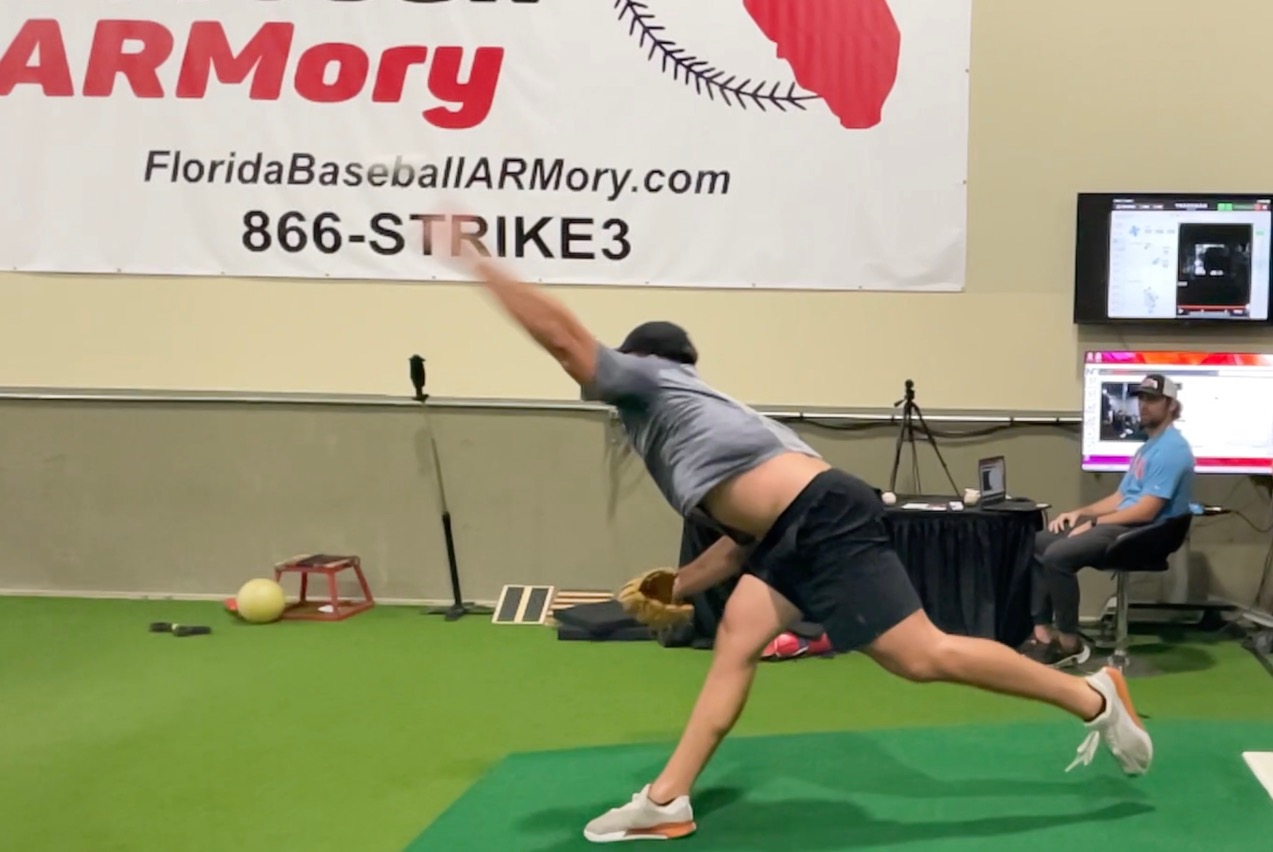
A well-executed one-legged hinge is vital to increasing impulse and improving velocity. But, not all hinges are the same. The single-leg hinge must be nuanced to link the athlete’s hardware to his software. This requires an in-depth investigation and appreciation of each athlete’s unique physical characteristics and movement preferences.
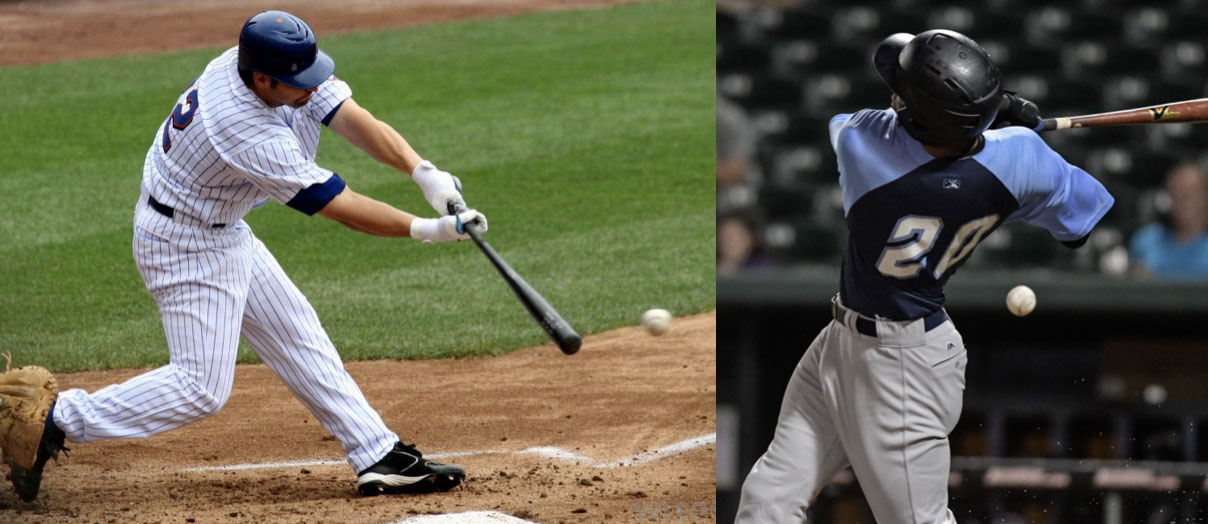
Unless you’ve been living in the baseball equivalent of a Himalayan monastery, you’ve heard pitching and hitting coaches avowing the importance of “hip-to-shoulder separation.” I’m not exactly sure when it began, but sometime in the last several years, someone coined the term, and it spread like wildfire. According to advocates of this tenet, pitchers and hitters should rotate the pelvis while the torso remains closed for as long as possible. The resultant diagonal stretch through the trunk allows the athlete to take advantage of the elastic properties of the abdominals, and chest muscles to store and then unload energy to be transferred from the lower half to the arm or bat.